IT IS A LONG ROAD........
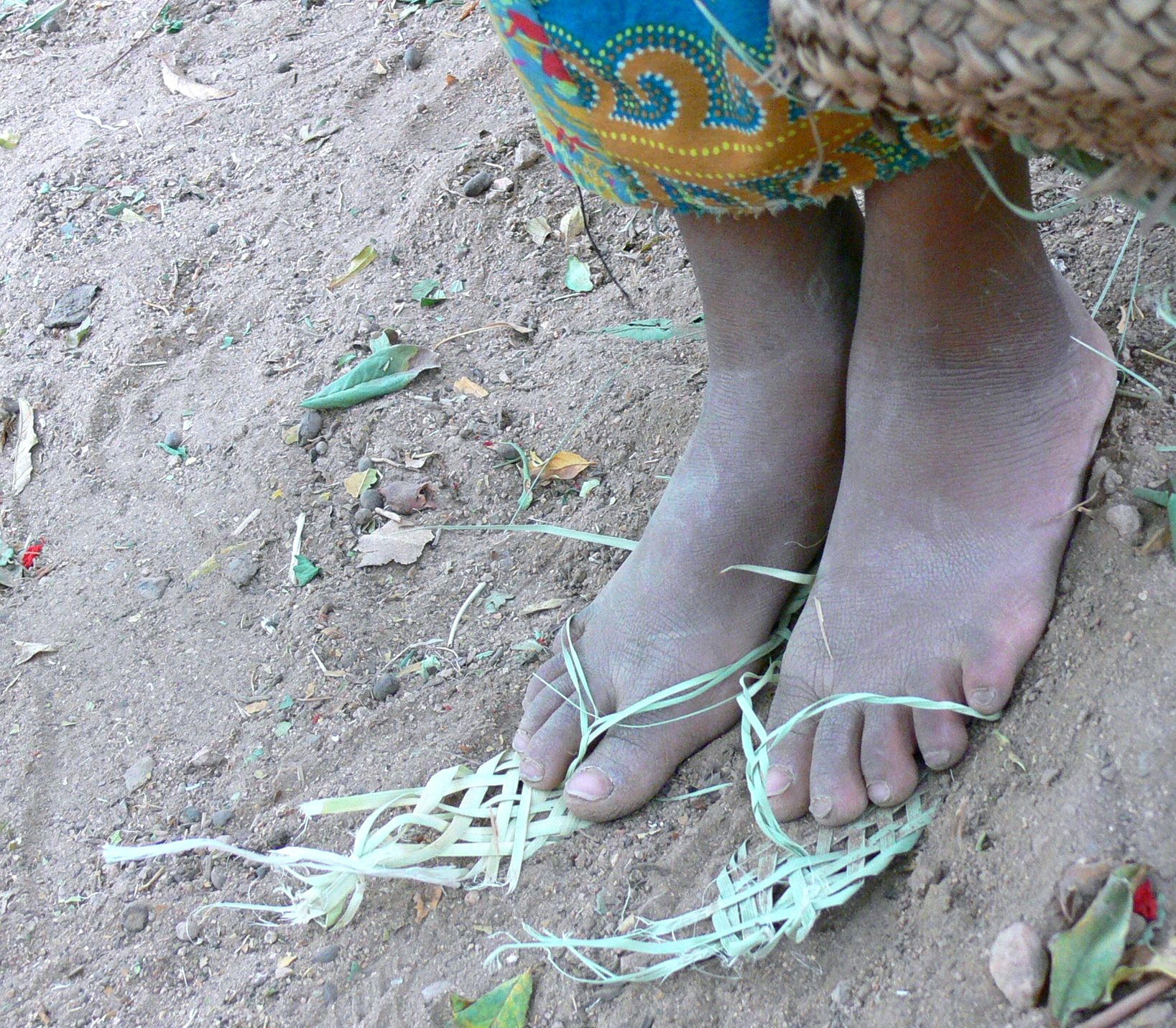
IT IS A LONG ROAD - for "my" Lilly and all the women in my life.
By Vivienne Gunning
History remembers queens, presidents and Nobel Prize winners. But that is not where most of the world’s stories live.
Most stories live quietly.They live in kitchens and boardrooms, in classrooms and clinics, behind takeaway counters and on night shifts. They live in women who never intended to become heroes. Women who simply woke up one morning and realised there was nobody else. Nobody else to raise the children. Nobody else to pay the school fees. Nobody else to care for ageing parents. Nobody else to hold the roof up.
South Africa is full of these women. Black women. White women. Indian women. Coloured women. Immigrant women. Professional women. Farm women.Widows. Divorcees. Single mothers. Grandmothers raising grandchildren. Women who somehow became mothers, fathers, nurses, accountants, counsellors, chauffeurs and providers all at once. Not because they wanted to. Because life handed them the responsibility.
I think of the Chinese woman in Groenkloof, Pretoria, who arrived in South Africa unable to speak English. She opened a tiny takeaway shop. She worked impossible hours. She stayed open during Covid. She saved every cent. She believed education mattered. She sent her children to Afrikaans schools because she admired the discipline and opportunities they offered. Today those children are productive members of society, and she quietly built a future out of sacrifice. Nobody gave her an award. She simply got on with life. I think of the divorced professional woman who leaves home before sunrise, spends her day in meetings, rushes home to help with homework, pays the bond, visits her elderly mother, worries about university fees and then sits at her laptop late into the night because tomorrow’s bills are already waiting. Nobody calls her courageous.
Yet she is.
I think of the Indian mother running a family business after losing her husband.
The young doctor who works double shifts and still reads bedtime stories.
The teacher caring for her own children and ageing parents.T
he farmer’s wife who became the farmer.
Every single woman who buried her dreams so that her children could pursue theirs. And perhaps that is why I struggle with the word empowerment.
Empowerment is not about creating superiority. It is about creating opportunity.
Because when women are given opportunities, families change. Children are more likely to be educated. They are healthier. They grow up with greater stability and hope. Communities become stronger. Economies grow. Standards of living improve. And society itself becomes more equitable. I have seen it throughout Africa. When a woman is able to earn an income, receive an education, own a business, lead an organisation or simply have the freedom to make decisions about her own life, the benefits seldom stop with her. They spill over into families, neighbourhoods and eventually entire communities.
Empowerment gives women choices. It gives them dignity. It gives them ownership over their futures and the ability to decide what happens to their bodies, their health and the direction of their lives. And when women thrive, those around them usually thrive too.
Many women were never empowered. They were cornered. Life left them with no choice but to become stronger than they ever imagined. And somehow, through exhaustion, disappointment and heartbreak, they continued. Not perfectly. Not always gracefully. But faithfully. History teaches us to celebrate extraordinary women. But perhaps society itself rests on ordinary women. Women whose names will never appear in books. Women who have never stood on a stage. Women who will never receive medals. Women who simply love enough to continue. It is a long road.
And perhaps that is why I admire women so deeply. Not because they are stronger than men. Not because they are better. But because across every culture, every race, every religion and every continent, I have watched women quietly carry far more than anyone ever asked them to. And somehow, despite everything, they still find the strength to love. And perhaps that is the greatest power of all.
Because when you empower a woman, you seldom change one life.
You change generations.