This is My Story - Our World
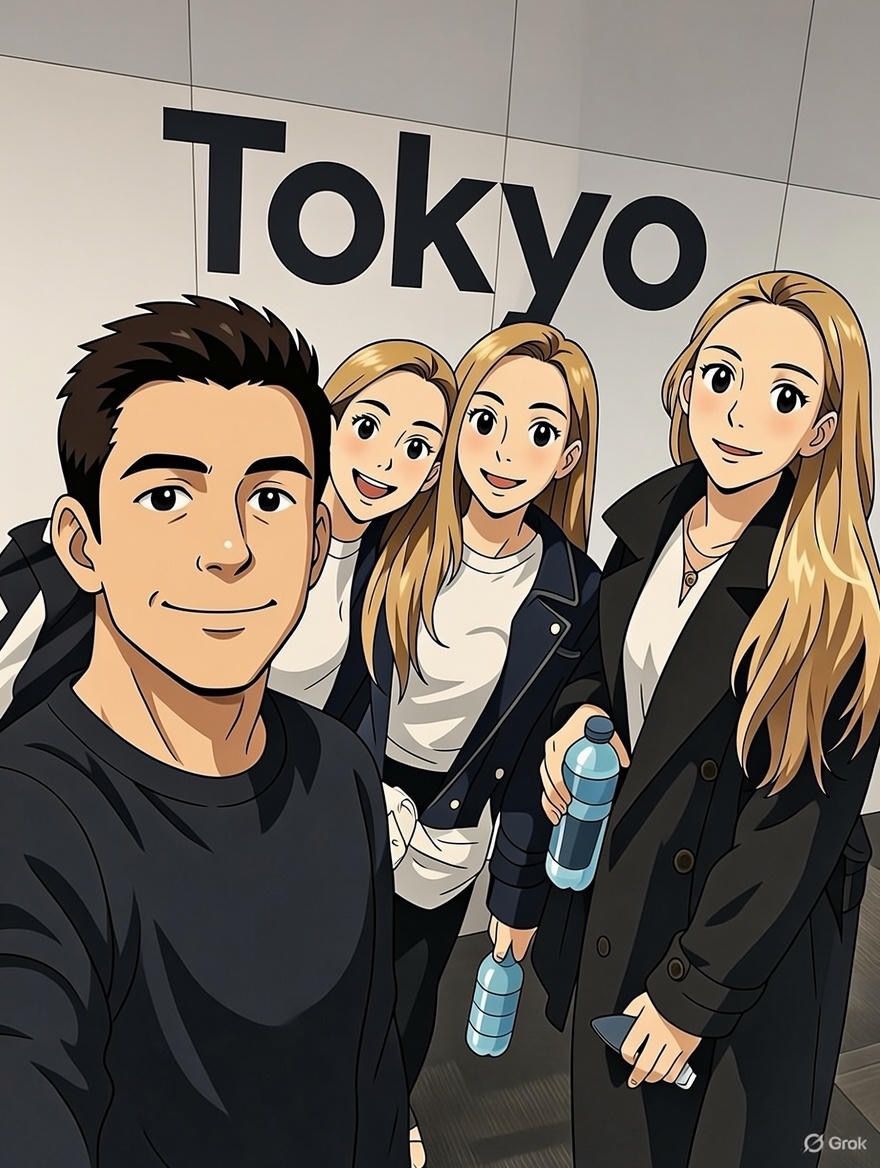
Recently, on my son’s return from Japan, he made me aware again of the growing population of our world — and what overpopulation really looks like in daily life. How personal space is slowly becoming a luxury. How living spaces are being redesigned into clever, well-planned modules. Efficient. Beautiful. Smaller. But, in these hyper-connected urban centres, we often measure it in terms of screens, convenience, and consumption.
Yet we are also seeing a parallel hunger for basics that used to be taken for granted: time, space, calm, and community. I have seen it everywhere I have travelled. In Mumbai, cows weave through gridlocked traffic. Street dogs melt into shadows, finding corners of quiet; cats curl beneath parked cars. In Cairo and New Delhi, the streets pulse endlessly—people, rickshaws, sounds that never stop. New York has its own choreography of yellow cabs and horns.
Meanwhile the small towns I remember from childhood, or from quieter trips, are thinning out. The slow paths of soil and seasonally rhythms are fading. We swap raw earth under our feet for concrete and traffic lights and that, never let us rest. We spend more hours with blue light than with the sun.
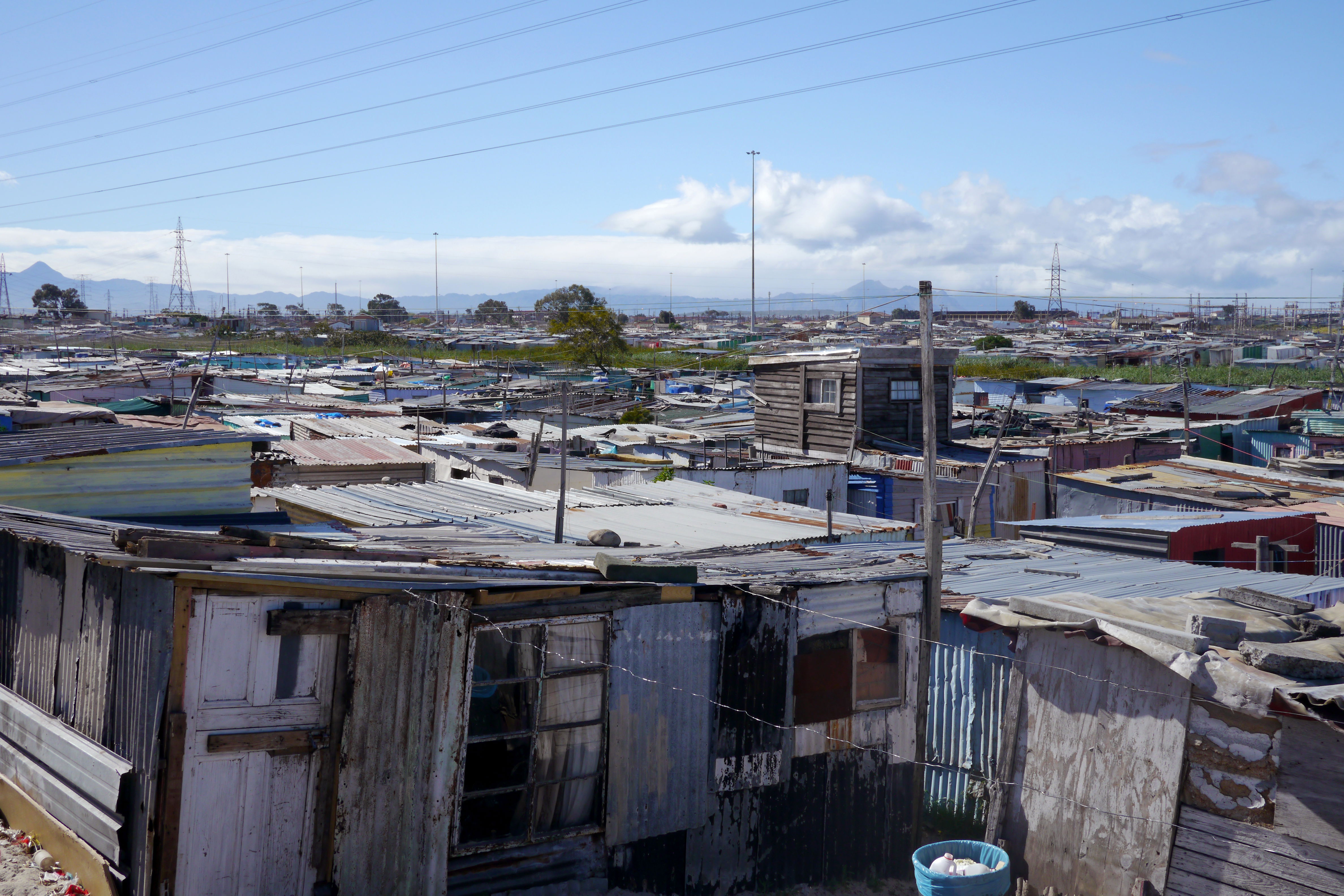
And right here in Cape Town, along the N2, corrugated homes press against the highway fence. Lives unfold in plain sight as cars speed past: washing on lines, children darting between shacks, meals cooked over small fires. It is not hidden; it is there, next to the rush. You will see a forest of satellite dishes sprouting from corrugated roofs – a thousand portals to the world beyond. What you will not see are gardens. It is not that people do not crave beauty or green space; it is that when every rand is stretched between food, fuel, and shelter, there is simply no margin for flowers or vegetables. Those dishes are small promises of connection and escape. The bare soil is a reminder that for many, survival leaves little room for tending the earth
The Japanese have a word, komorebi — the soft light that slips through leaves. It’s such a small thing you barely notice it when you’re rushing from one place to the next. And yet, these are the moments that quietly steady us. The kind that remind the nervous system what calm feels like. In crowded cities, we slowly lose touch with these tiny, grounding experiences — with komorebi.
So what does “luxury” mean now?
“Back to nature” has become its own kind of luxury package – curated glamping weekends with crisp linens and artisanal fireside meals, billed as digital detoxes for the urban weary. We pay handsomely to be reminded of stars and silence, then slip back to concrete and screens. It’s a polished pause between rush hours, a taste of simplicity that’s sold in limited‑edition weekends rather than lived as a daily rhythm.
Is it a perfectly planned micro‑space where every object has its niche? Or is it something simpler—just space itself?
A pocket of silence that is not broken every few seconds.
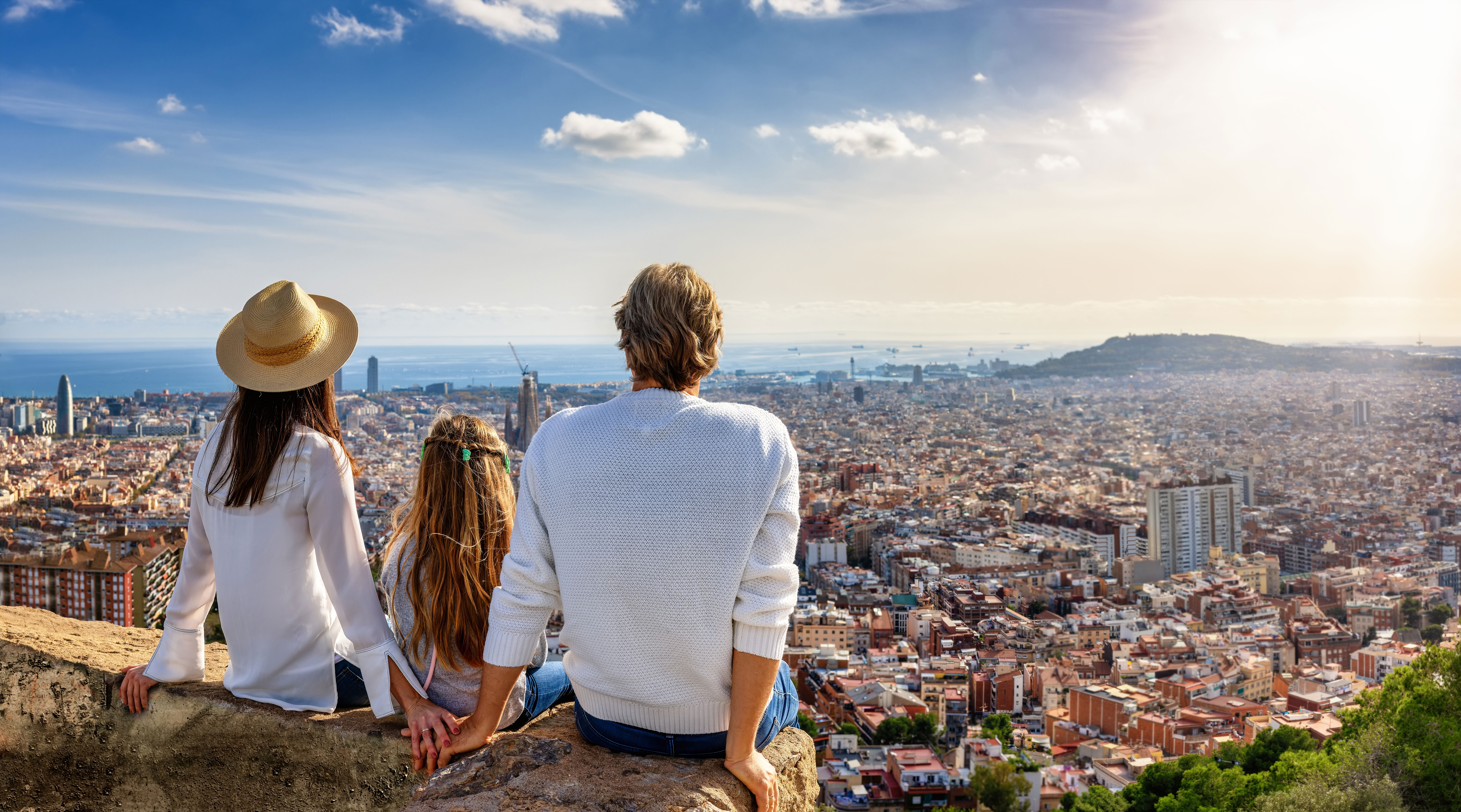
A view of trees, mountains, fields instead of endless concrete and cars.
Time to walk without being carried along by a crowd.
If you “achieve” in the city sense, you get a version of the city that feels almost kind; if you do not, it feels sharp-edged and unforgiving. Somewhere in between, most of us are just trying to stay human—to remember soil under our feet, silence in our heads, and what it feels like to exist beyond a glowing screen.
A place where you can sit and just be.
I have not travelled much these past two months—no planes, no new dusty roads—and in that pause, these thoughts have surfaced. When I am moving, travel shows me the world in all its colour and chaos. When I am still, it shows me how I sit inside it, how small I can feel.
That is my story, at least for now—sitting in Cape Town, watching the mountain, grateful for the pauses that let me think.
Maybe true luxury today is a place stripped back to the essentials: space, soft light, clean air, simplicity that lets you breathe.
The world is changing fast, getting fuller, more connected, more squeezed. But maybe those quiet parts—soil, silence, simple human moments—are what we need to hold onto most.
What about you? What does luxury feel like in your world these days?
How do you stay connected to the things that make us feel truly alive?
Warmly,
Xx
Vivie, Cape Town, February 2026