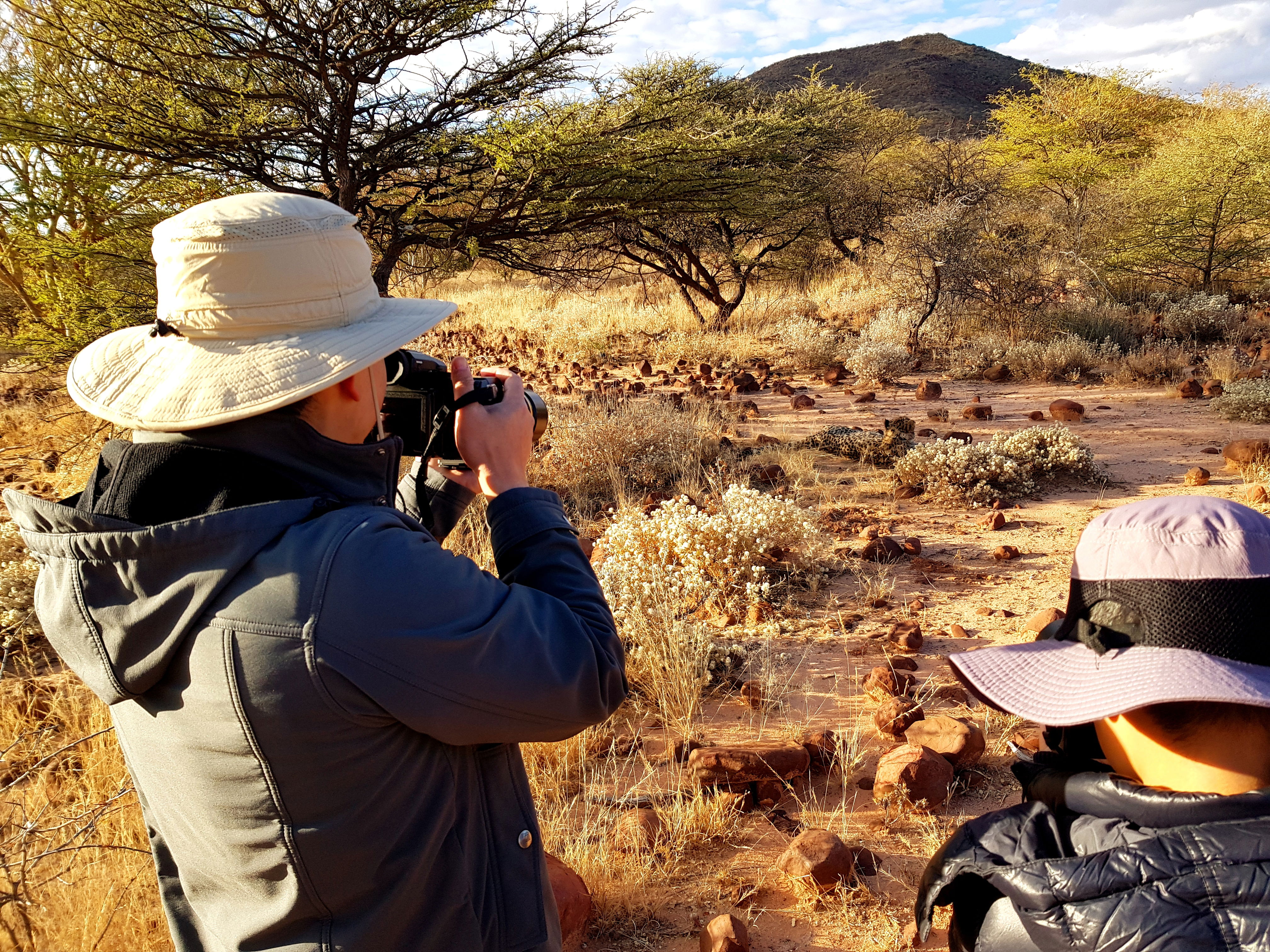
Accessible Travel in Africa: Why It is Different — and Why It Requires Human Judgment
Hey there, it is Vivie here, tucked in Cape Town with a cup of rooibos, thinking back on those dusty trails and quiet moments that shape what I do.
Let us start simple: In places like Europe or the USA, accessible travel often boils down to good design and following the rules—ramps, compliant rules, that sort of thing.
But in Africa, it is more about quiet judgment and just being there. Too many folks treat it like a checklist—vehicles, lodges, boxes ticked.Africa does not fit neatly into lists, though. Here, accessibility is not just about buildings or gear; it is deeper, more human. And that is why having someone alongside, a companion who knows the ground, often makes all the difference.
People sometimes get accessible travel in Africa all wrong, thinking it is one-size-fits-all. But this continent asks for something else: the ability to bend with the day, read the quiet cues in someone’s eyes, slip into the local ways without a fuss, lead with a steady hand when things get fuzzy, and decide on the spot what is best. A lot of common sense. This only comes with experience. To anticipate before it happens.
Over the years, I have found a way to think about needs that feels more real than just “wheelchair or not.”
How I break it down—gentle categories that capture the layers:
A. Things tied to moving around: Wheelchair folks, those with walking sticks or crutches, wobbly balance, sore joints or weak muscles, or travellers fresh from surgery.
B. The medical side: Hearts that need watching, breathing troubles, diabetes that calls for steady routines, ongoing pain, handling meds on the go, or easing back after an illness.
C. The quiet shifts with age (often hidden): Energy that fades quicker, slower steps or reactions, ears or eyes not as sharp, that little fear of slipping, or skin that feels the heat or cold more deeply.
D. Sensory stuff: Ears that flinch at loud chaos, bodies that wilt in the sun, crowds that overwhelm, bumpy rides that unsettle, or sights that dazzle too much.
E. Mind and nerve things: Anxiety that whispers doubts, old traumas that stir, brains healing from knocks, gentle fog in thinking, or ways of seeing the world that need a bit more space, like neurodiversity.F. The passing or situational ones: Bone-deep tiredness, jet lag that lingers, hearts heavy with grief, emotional waves from life, first-timers wide-eyed in Africa, or solo elders craving adventure without the worry.
See, on this continent, accessibility is not a fixed thing—it is wrapped up in the moment, the place, the people. It is human, unfolding as you go.
And here is the thing: Accessibility in Africa is not yes-or-no, black-and-white.
Most of the travellers I walk with do not call themselves “disabled.” They are in their later years, mending from something, carrying a quiet worry, or just knowing their stamina is not endless anymore. Their needs are true, even if they do not match a form or label. It is all on a sliding scale: Energy dips with the heat or higher ground, long days pull at the edges of fatigue, airports and borders crank up the noise, and that inner unease often shows up before the plane even lifts off. None of that gets fixed by a quick tick on paper. Sure, the hard stuff like paths and places matters—a lot. Africa’s not always a gentle landing. Uneven ground, far-flung lodges, tiny planes bumping onto grass strips, miles from a clinic, words that do not cross easy between tongues. Last minute itinerary changes.
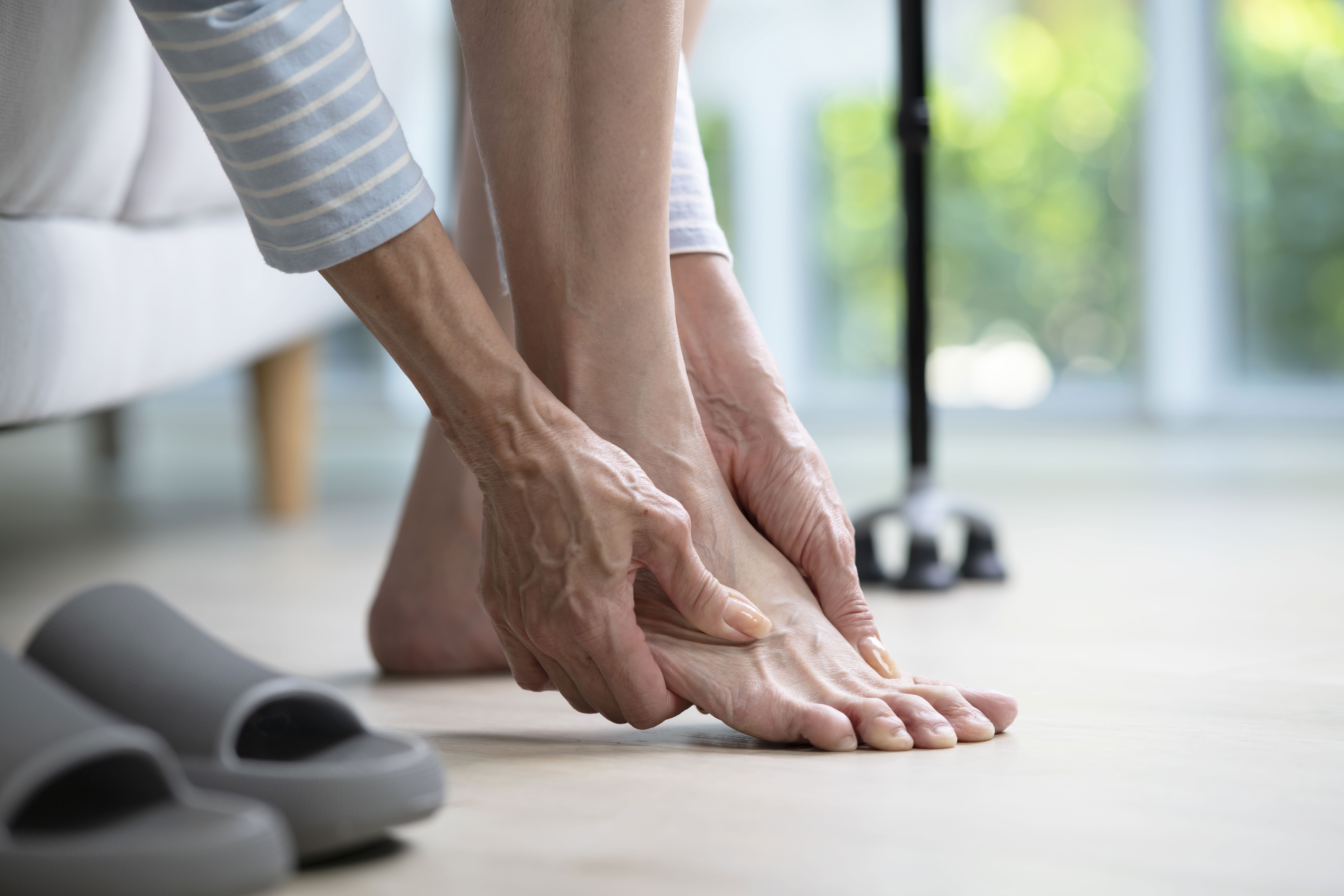
But here’s where culture steps in: What we might call a “limitation” is just everyday life here—part of surviving, the land, the rhythm. It is not a flaw; it is real. The real slip-up is planning trips like these do not exist, or asking folks to just “tough it out.” Instead, build journeys around what is actually there—honest, not dreamy.
One tool I lean on most. Pace. It is the quiet hero in accessible travel—not changing the world around you but easing into it. Slower starts to the day, fewer jumps from spot to spot, room to breathe without saying sorry, the ease to sit one out without a fuss. When pace feels right, trust blooms, and dignity stays whole.
Then there is the medical side—remote spots light up the soul, but they ask for real know-how. Bodies do not follow schedules; tiredness sneaks in; rain, crossings, flights, roads—they all have their say. That is when accessibility shifts from rules on paper to steady choices in the now knowing when to tweak, when to rest, when to hold back. Experience counts heavy here. Being present counts even more.

Dignity? It hides in the little things. In much of Africa, official setups for disabilities are thin on the ground, but kindness runs deep. Often, it is about those bonds you have built over time—trusted hands that lift without a word or a companion who has walked these paths before. Dignity is not a sign on a door; it is how a hiccup gets handled, help given softly, a traveller feeling noticed but not spotlighted.
Real accessibility skips the discounts and tags; it is about building that quiet sureness, the trust that holds, the flow that does not break. It boils down to one gentle ask: “What do you need so this can feel right for you?” In Africa, getting those right calls for feet on the earth, easing into the local heartbeat, reading the unspoken, and shifting as the day does.
This is not about handouts—it is leadership, pure and simple.
It is not watered-down adventure; its adventure led well. Wrapping up with a quiet thought: Africa gives back when you are truly there. Accessible travel here clicks when humans guide it through the twists, and dignity whispers in every beat. Done right, it is simply good leading - honouring the real, the respect, the deep gift of the path.
That is exactly where I sit: gentle timing, quiet respect, a steady word, leading without a rulebook, just clear sense—a thread of care through the unknown.
If this stirs something in you — if you’ve ever wondered whether Africa could still be yours, or if you’re planning for someone and the usual answers feel too small — reach out. No forms, no pressure. Just a conversation.And if you’re thinking bigger picture — training teams, shaping culture, or designing journeysthat truly work on the ground — stay tuned for my upcoming online course. I’ll share more soon.
You can WhatsApp me WhatsApp me at +27 82 795 0411, or send a note through the contact page on
https://www.viviennegunning.com/
If you’re curious about the practical side — what quietly breaks even well-intentioned trips and how we’re building better through my upcoming course — check out my more recent reflection: Accessible Travel in Africa Is not a Checklist — It is a Way of Being with People
I would love to hear your story and see how we might walk a gentle path together.Africa gives back when you are truly there.
Warmly,Vivienne
Always open to your stories. ❤️