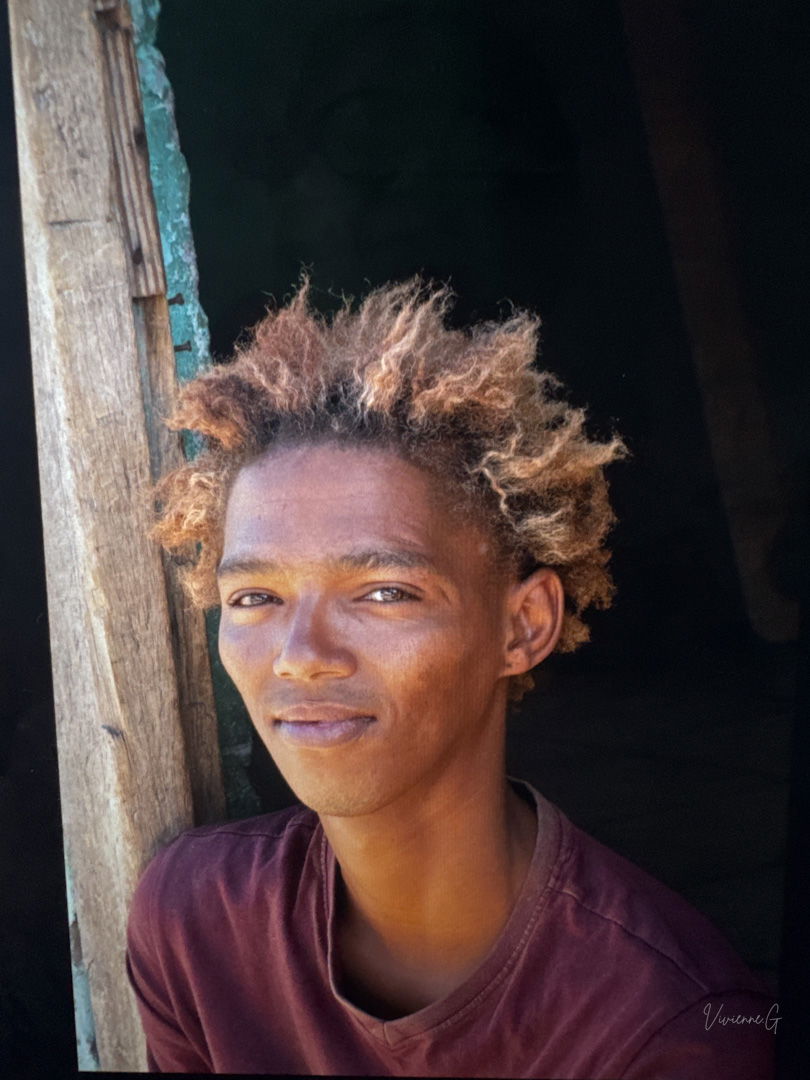
Cape Town — Sir Lowry’s Pass Village — Where Childhood Still Plays Outside
I am currently back home in Cape Town. I do not chase destinations, yet the urge to explore — to experience something I have not yet seen or truly felt — has never left me.
A few days ago, feeling unusually brave, my photographic companion Heinrich Bestbier and I, decided to visit a place I normally only drive through. Sir Lowry’s Pass Village, about sixty kilometres from Cape Town, lies quietly against the Hottentots Holland mountains. Close enough to the city, yet somehow feeling far removed.
One of those decisions that happens when curiosity gently overrides a schedule. A moment you stop trying to capture life and allow life to meet you.
The village carries a long and layered history, shaped by separation and relocation during apartheid years. Families here hold deep Cape heritage — Khoi, slave, African, Asian and European ancestry woven together over generations. But what feels strongest is not history written in policy. It is history lived daily in community. This modest settlement moves at its own rhythm.
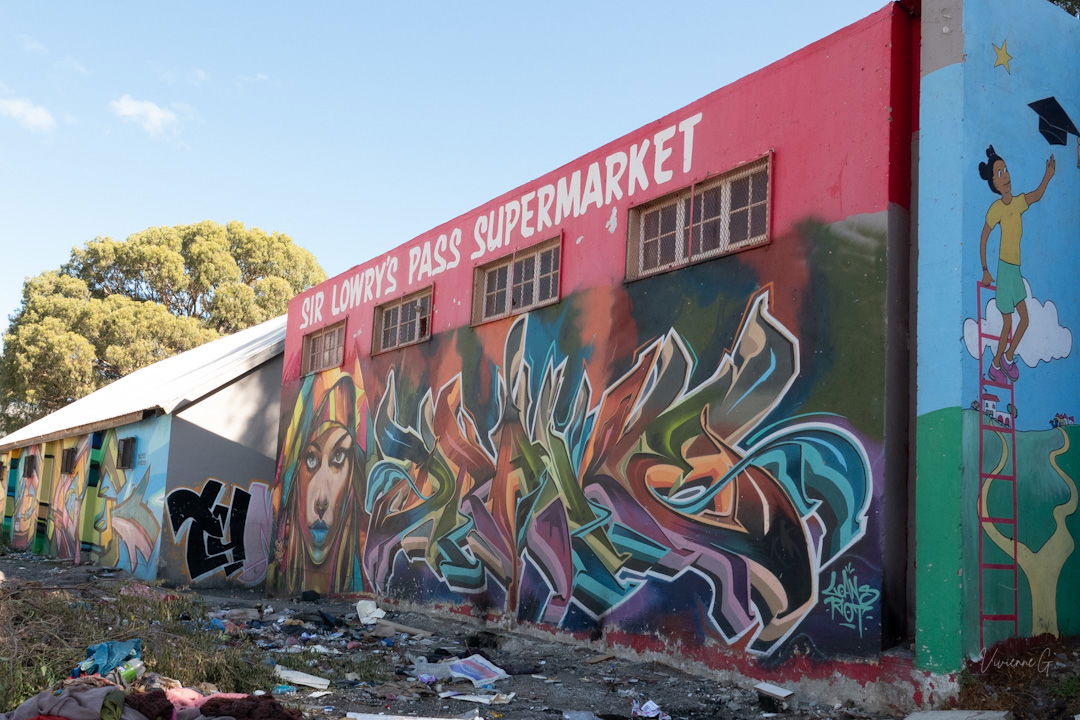
We were welcomed by large, colourful paintings stretching across several walls. They form part of the “Paint Sir Lowry’s Pass Village” project, started in April 2024 by local decorative artist Charlie Vettori, who brings more than forty years of mural experience to the initiative. What began as a single painted wall slowly grew into a shared community effort involving residents and local artists — bringing pride, colour and joy to spaces once overlooked. (Charlie Vettori: artscharlievett@icloud.com | charlievett@icloud.com)
I did not arrive looking for a story. It simply happened. My camera, always within reach, slowly appeared — and unexpectedly became something of joy. Children approached immediately. Curious. Proud. Laughing. Eager to look into the lens. One little girl leaned forward, trying to see the photograph from inside the camera itself!
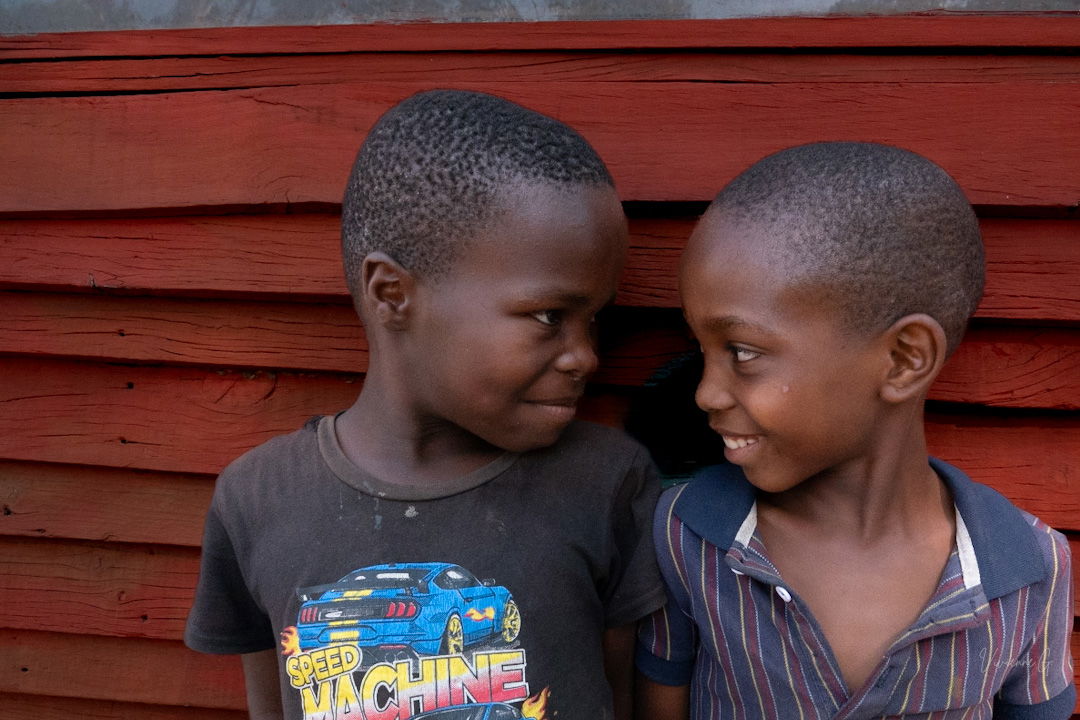
Photography in places like this asks for something simple: respect. Only seeing beauty that exist without decoration. There was no performance. No posing for sympathy. Only life unfolding as it always has — loudly, creatively, unapologetically human. Curious eyes. Movement. Laughter carried through afternoon light.
My heart smiled. A gentle touch followed. A shared moment. She trusted me.
How can I say it better? These photographs are moments offered, not taken.
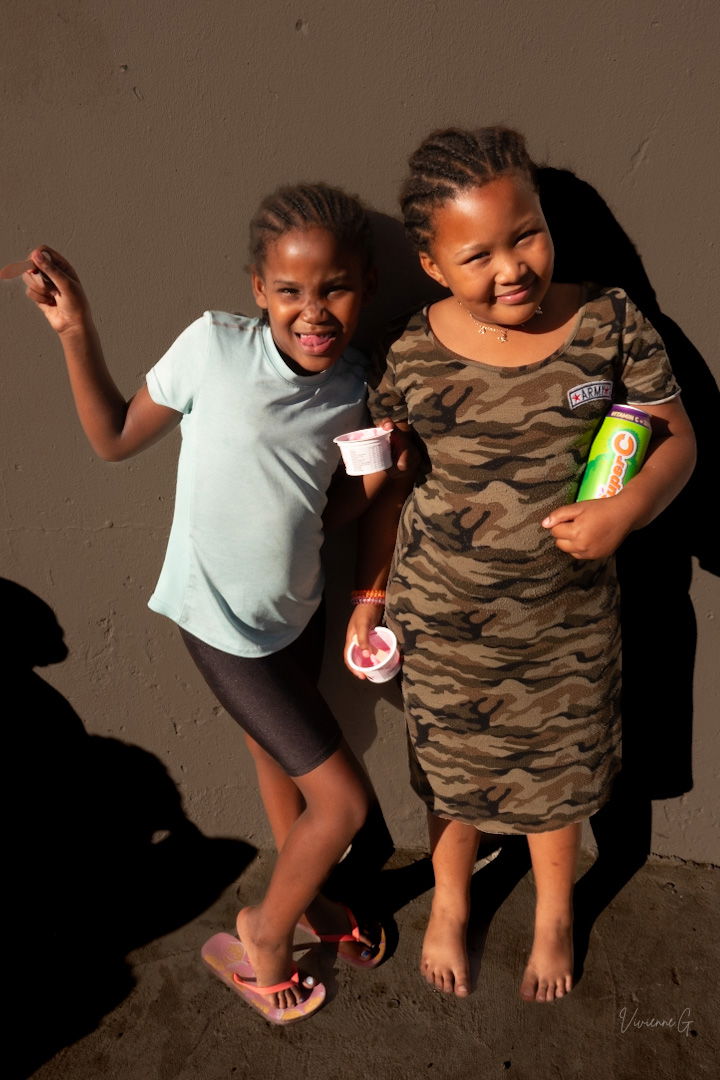
A mattress becomes a landing strip.
It feels like entering a small town — what visitors might call a village — where everybody knows everybody. Afrikaans fills the streets. Children move freely between homes that may look informal yet feel deeply permanent. Few fences exist. Streets become playgrounds. Play does not wait for perfect conditions. Children invent games from whatever lies nearby.
Concrete steps become theatre seating.
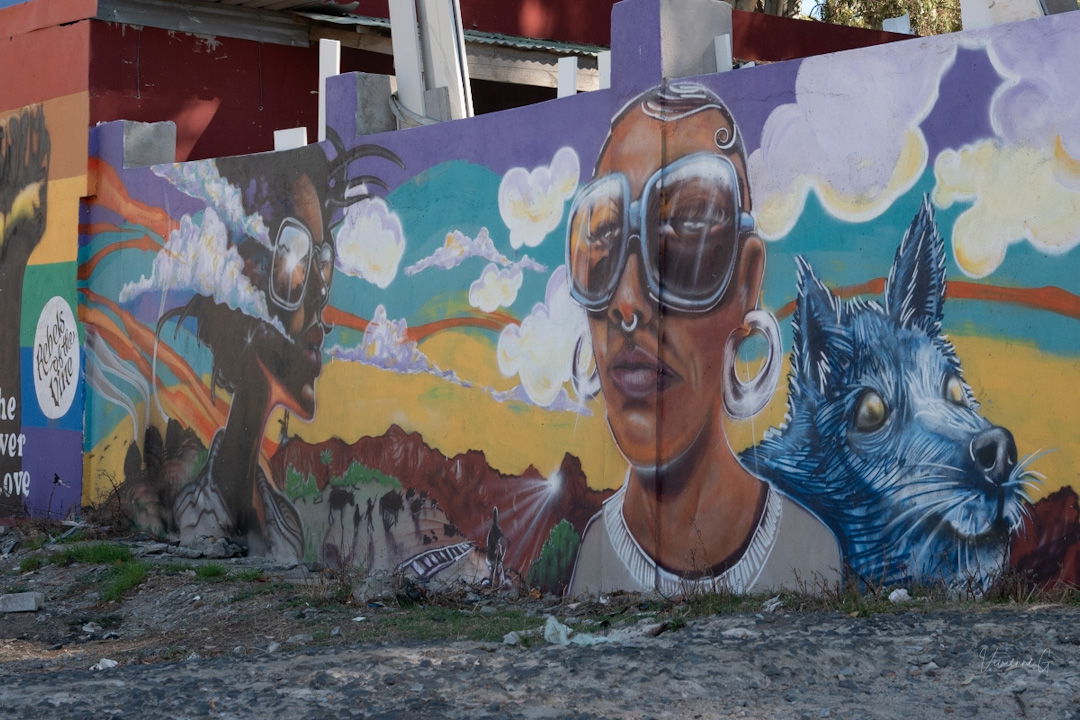
What struck me most was not hardship. It was imagination.
A wall turns into a stage.
Dust becomes adventure. Ordinary space becomes possibility.
A doll becomes comfort and companion.
Long after leaving, what stayed with me was not poverty or contrast.
It was freedom. The freedom to play. To belong.
Somewhere near Sir Lowry’s Pass, childhood still knows how to fly.
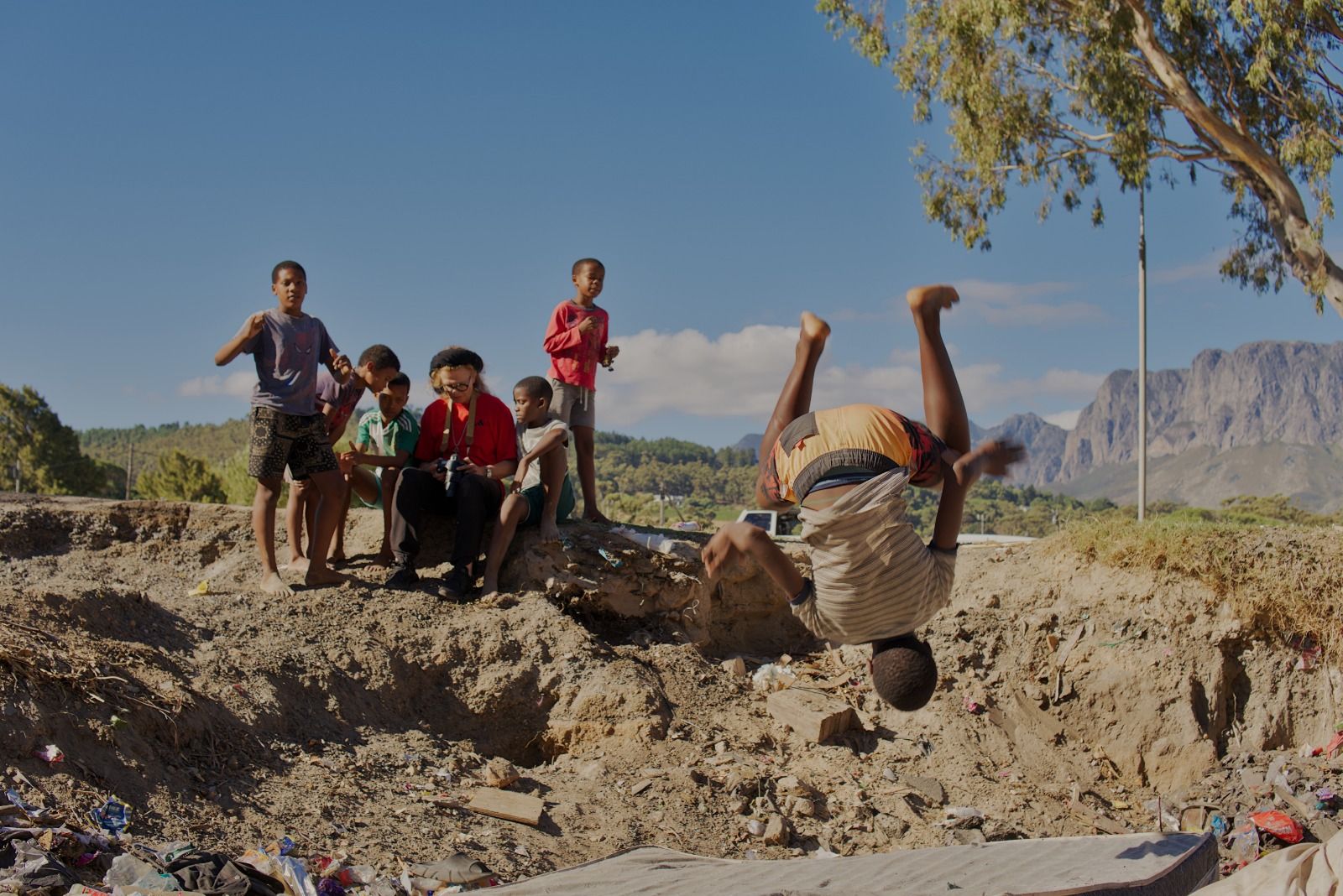
To laugh in afternoon light without permission. To run barefoot in dust. To walk beside your mother pushing a wheelbarrow home.
And me? Ah… just sixty kilometres from the glitter of Cape Town — the Waterfront’s buzz, promenade strolls, the polished calm of Bantry Bay — yet it feels like another world entirely. During the few hours I spent here, something quietly settled inside me. Conversations flowed easily. My mother tongue, Afrikaans, returned without effort — warm, expressive, alive in everyday stories and shared laughter.
There is no performance here. Just people. Just life. Just familiarity.
Two South Africas exist side by side — so close geographically, yet shaped by very different rhythms. And somehow, my heart recognises both. I belong to each of them.
Let my photographs tell the story.