Accessible Travel in Africa Is not a Checklist — It is a Way of Being with People
This builds on something I shared last month about why accessible travel here demands presence over checklists: 👉 Read the full blog here:
I never set out to become an “accessible travel” specialist. I just wanted happy clients — people who felt seen, safe, and genuinely cared for while experiencing Africa on their own terms.
Most of my guests over the years have been older, and what I learned very quickly is that access goes way beyond ramps, wide doors, and grab bars.
• The way fatigue creeps in after day three
The real needs are often invisible:
• The quiet drop in confidence when the path is uneven
• The extra hour someone needs to recover
• The medical realities that do not announce themselves until they do.
Most travellers who need thoughtful support do not wear a visible label — and they do NOT want to be handled like they are fragile. They want dignity, pace that respects them, and someone who pays attention. That realisation shifted everything for me. Accessibility is not a European-style checklist you can fax from a desk. In Africa it is about human capacity meeting real environments — environments that change dramatically from one landscape to the next. Infrastructure, healthcare reach, road conditions, even the weather can rewrite the day. Here, access is not a fixed feature; it is a way of thinking, planning, and adapting in real time.
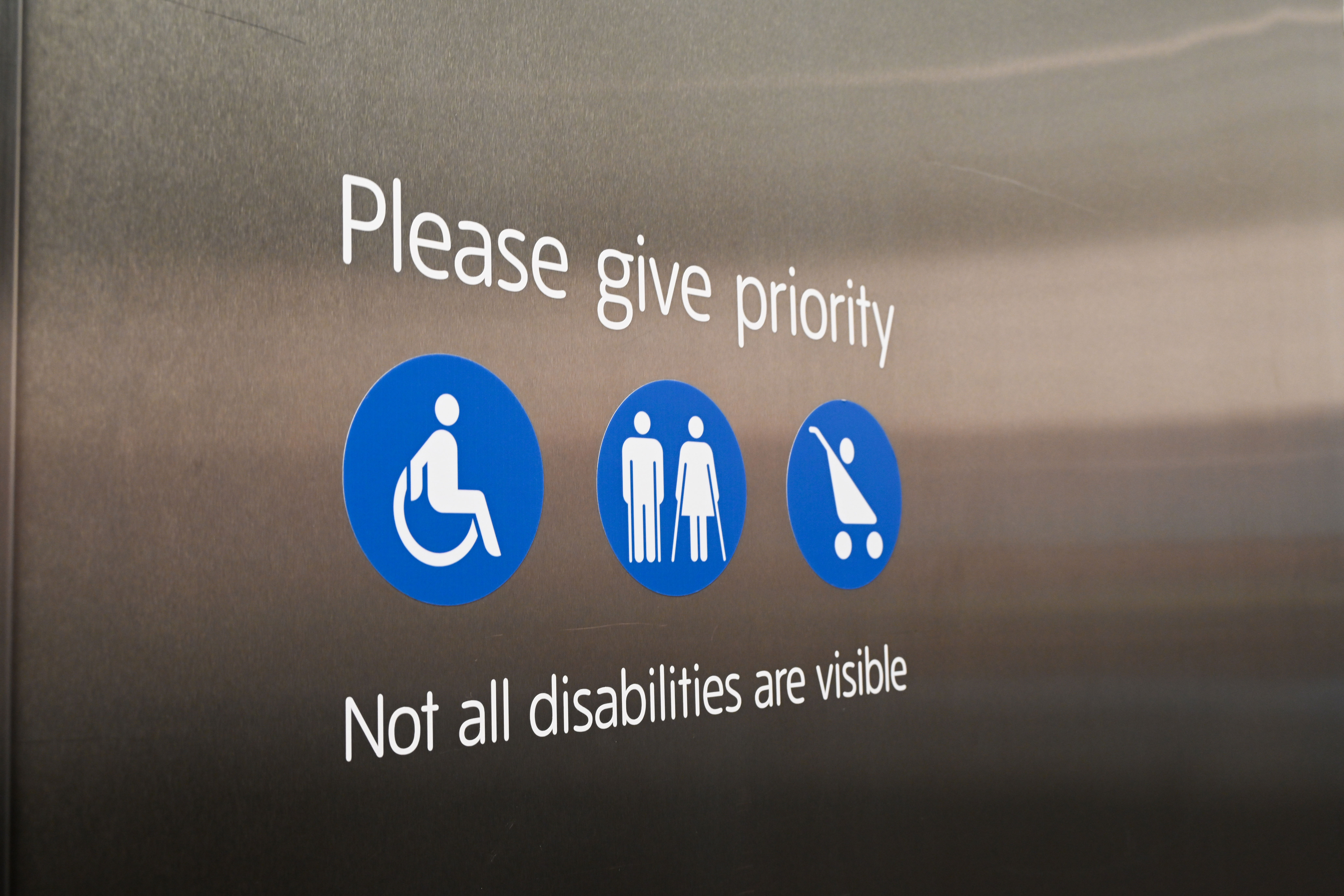
Sustainability matters just as much. Promising accessible services that cannot be delivered consistently is not inclusive — it is setting people up to feel let down. I have seen it happen too often: glossy websites, shiny badges, and then arrival reveals the gap between marketing and reality. True access lives with real people in real places, and in many parts of this continent there simply is no manual. Accessible travel is not a niche market. It’s the full spectrum of human capacity moving through real-world contexts. Capacity fluctuates — daily, hourly, sometimes moment to moment. Context decides what access actually means.
Research and data guide me, but they do not own the story. Definitions of “disability” shift across cultures, infrastructure levels, social safety nets, healthcare access, and unspoken attitudes. What counts as accessible in Cape Town can look very different in rural northern Uganda or a remote conservancy in Botswana. Numbers vary wildly depending on who is counting and how — and the lived experience behind the numbers varies even more.
In South Africa, for example, we have decent age data for inbound tourists, but public breakdowns rarely cross it with source country (e.g. what percentage of UK or US visitors are 60+). Responsible estimation fills that gap. We know older travellers make up a smaller slice of total arrivals overall, but in long-haul markets — UK, USA, Germany, France, increasingly China — they punch well above their weight.
Long-haul trips tend to attract people in mid-life or retirement who finally have the time and finances.
My work lives in that grey, useful space: research points the direction, but the ground — the actual lodge steps, the game-drive vehicle height, the pace of the day, the kindness in how someone offers an arm — decides what really works.
From years in the field I have watched three things quietly break even the best-intentioned accessible trips:
1. People are not always fully upfront about their needs — or needs change mid-journey. What felt doable at home can feel overwhelming after jet lag, altitude, heat, and six days of early starts.

2. Itineraries look gentler on paper than they feel in practice. Agents, family, sometimes the travellers themselves judge “easy” by first-world standards. A “relaxed” schedule can still accumulate into real strain when every transfer, meal, and viewpoint involves more physical and mental effort than expected.
3. Even willing venues often lack practical, hands-on training. Wanting to help is not the same as knowing how to help with dignity — how to offer an arm so someone feels secure rather than pulled, how to pace a walk, how to read when rest is needed before it is asked for. These are small human skills. They are not common sense until they are taught and practiced. None of this comes from lack of care. It comes from the ordinary complexity of real travel. If we design journeys around ideals instead of reality, the promise unravels quietly — and that hurts everyone.
That is exactly where my upcoming online course on Accessible Travel in Africa lives: in the honest negotiation between good intentions, on-the-ground limits, dignity, safety, and what is actually sustainable in fragile places.
Because accessible travel does not fail when people do not care.
It fails when we design for ideals instead of reality.
If any of this resonates — if you have ever felt the gap between wanting to welcome every traveller with real dignity and the messy, beautiful reality of doing it in Africa — I would love for you to be part of what comes next.
I am building an online course called Accessible Travel in Africa: Designing with Dignity, Reality & Care. It is not theory from a desk. It’s what I’ve learned (sometimes the hard way) guiding real people through real places: how to read capacity moment by moment, how to adapt itineraries without breaking the environment or the promise, how to train teams in the small human skills that actually make access feel natural and safe.
The course isn’t live yet — I’m still shaping it with the voices and experiences of guides, lodge teams, booking partners and travellers who have done this with me.
If you’d like to be among the first to know when doors open (and get early-access pricing + a couple of field-born bonuses I am putting together), pop your name and email on the waitlist below.You are joining a small circle of people who believe accessible travel should be thoughtfully, sustainable, and deeply human —not a sticker or checkbox. I cannot wait to share what we have learned on the ground.
https://waitlister.me/p/accessible-travel-in-africa">https://waitlister.me/p/accessible-travel-in-africa

Vivienne
No pressure, no spam — just an update when it is ready, straight from Cape Town. https://www.viviennegunning.com/my-blogs/accessible-travel-in-africa-why-it-is-different-and-why-it-requires-human-judgment
